



Vape Recycling Programs in Germany 2026: How Take-Back Works and What You Can Do
Adults only (21+). If you vape in Germany, how you get rid of a finished device changed in 2026. What used to be a confusing search for “where to recycle disposable vapes near me” is now a legal right: since 1 July 2026, the shop that sold you a disposable e-cigarette must take it back for free. This guide explains how Germany’s vape recycling program works, what the rules ask of you, and why device design matters more than ever.
What changed in Germany in 2026?
Two regulatory changes landed this year, and together they reshaped the end-of-life picture for e-cigarettes. The first is the fourth amendment to the Electrical and Electronic Equipment Act, known as ElektroG4. The second is the national battery implementation act (BattDG), which puts the EU Battery Regulation into German law. Both treat a vape as what it really is: a small electronic device with a lithium battery, not ordinary rubbish.
The 1 July take-back mandate
From 1 July 2026, every point of sale selling disposable e-cigarettes or heated tobacco devices must accept used devices free of charge. There is no minimum purchase, and the size of the shop is irrelevant. Vape specialists, kiosks, petrol stations, tobacconists and supermarkets are all covered, and online retailers must tell customers how to return products by post or through a partner. In practice, this turns every retailer into a vape recycling program drop-off point. A new two-colour take-back symbol marks participating businesses, so you can spot a return point at the entrance rather than guessing.
The counter model at recycling centres
The second change started on 1 January 2026. German recycling centres moved to a “counter model”: you no longer tip battery-powered devices into a collection container yourself. Trained staff receive them at a designated counter. The reason is safety. Lithium cells crushed in a bin or a refuse truck are one of the most common causes of fires at waste facilities, and the environmental authorities want those devices inspected rather than buried in a mixed load. If you take a vape to a Wertstoffhof, expect to hand it over to a person, not a skip.
How a vape recycling program works, step by step
Producer responsibility is the idea behind the whole system. Under WEEE and battery rules, the brand or importer that first puts a device on the German market pays into an approved producer responsibility organisation. That body funds collection points, transport and treatment. You, as the last owner, are the final link: get the device into the right stream and the system does the rest.
One detail is worth stating plainly. A “high-puff disposable” is rarely a single sealed 20 ml tank in the EU, because the Tobacco Products Directive caps a tank at 2 ml. Most legal high-puff devices are rechargeable prefilled systems: a small pod plus a battery you keep. That distinction changes how long a device stays useful, and it is the cheapest way to reduce the number of units you will eventually need to recycle.
1. Finish the device, then detach what comes off
Vape until the liquid is gone and the coil tastes spent. If the device uses a separate pod or cartridge, pull it out and set it aside. Both parts go into the same electronic-waste return, but dealing with them separately makes the handover cleaner and helps the recycler sort materials.
2. Make it safe to transport
Let the device cool, keep it dry, and if the battery is removable, tape over the contacts with clear tape. This lowers the short-circuit risk during collection. Do not crush, puncture, disassemble or burn a vape, or leave one loose in a hot car. For deeper background on the fire risk, our guide to vape battery fires covers the chemistry in detail.
3. Hand it in
Take the device to any shop that sells vapes, or to a municipal collection point, and ask for the take-back. Retailers may not charge you or insist on a receipt. If you bought online, use the return route the seller must publish. That is the entire process; it takes less time than buying a replacement.
Where to recycle disposable vapes in Germany
You have more options than most people realise. Start with the nearest retailer that sells e-cigarettes, including kiosks and petrol stations, all of which are covered by the July rule. Supermarkets and discount stores with more than 800 square metres of sales space that regularly sell electrical goods must also take back small devices with an edge length up to 25 cm, which covers every vape on the market. Municipal recycling centres are the third route, now staffed at the counter.
What does not work: the yellow bag, the paper bin, general household waste, and bottle banks. A vape is e-waste, and mixing it with packaging contaminates a stream that is otherwise recyclable. If a shop refuses a return, ask to speak to the manager and point to the posted take-back symbol; the obligation is on the retailer, not on you. We track the wider rules in our article on disposable vape rules in Germany, which is worth reading if you also want the tax and flavour picture.
What happens after you hand it in
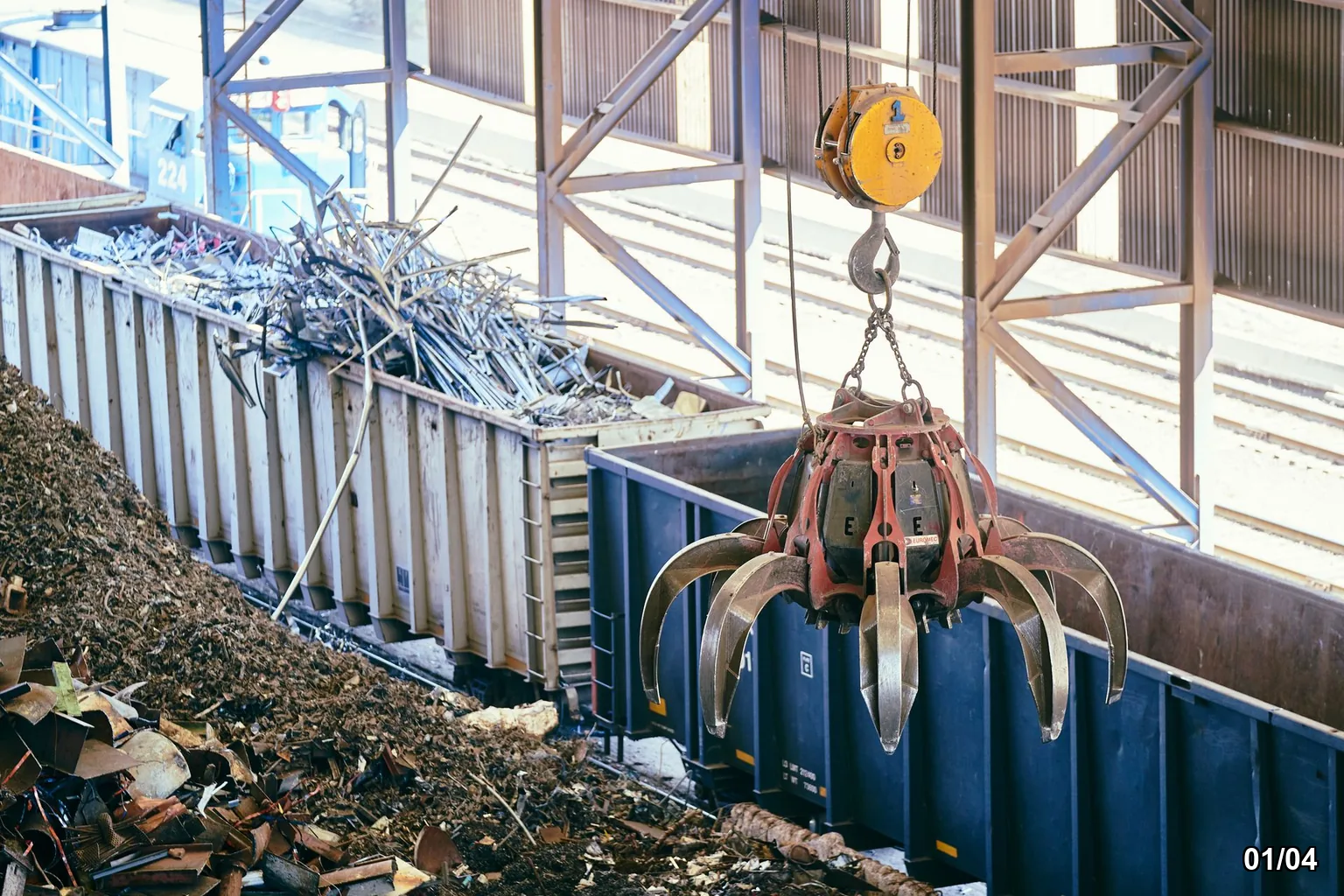
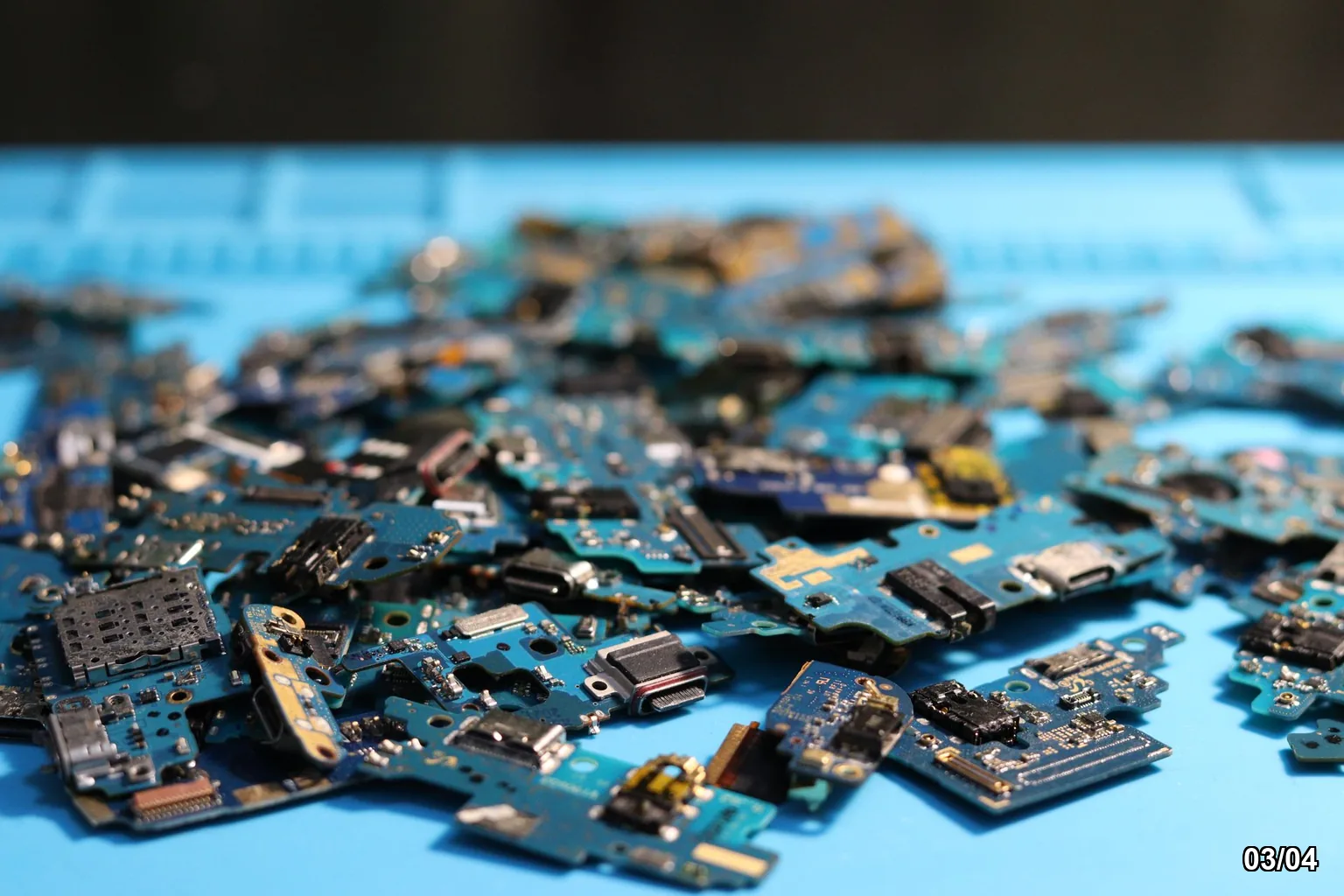
Collection is only the first stage. Returned devices go to licensed treatment plants where the casing is shredded and separated. The lithium, cobalt and nickel fractions are recovered for new batteries, while plastics and copper are sorted for recycling. The metals in a single cell are worth little alone but valuable at scale, and a battery in a landfill is a leachate and fire problem rather than a resource.
Germany still collects well below the EU’s 65% target for electrical equipment, which is exactly why the rules were tightened. More take-back points and the counter model are attempts to close that gap. Environmental groups argue a battery deposit may come next; legislators have not introduced one yet, but the direction of travel is clear.
Why the 2027 Battery Regulation changes your choice today
The 1 July rule deals with a device after it becomes waste. The EU Battery Regulation, applicable from 18 February 2027, deals with whether that device should exist in its current form at all. Article 11 requires batteries in most consumer products to be removable and replaceable with commonly available tools. A disposable vape with a battery welded or glued into the shell cannot meet that standard, so the classic sealed disposable has no long-term future in the EU. The practical effect is a phase-out by design rather than a headline ban.
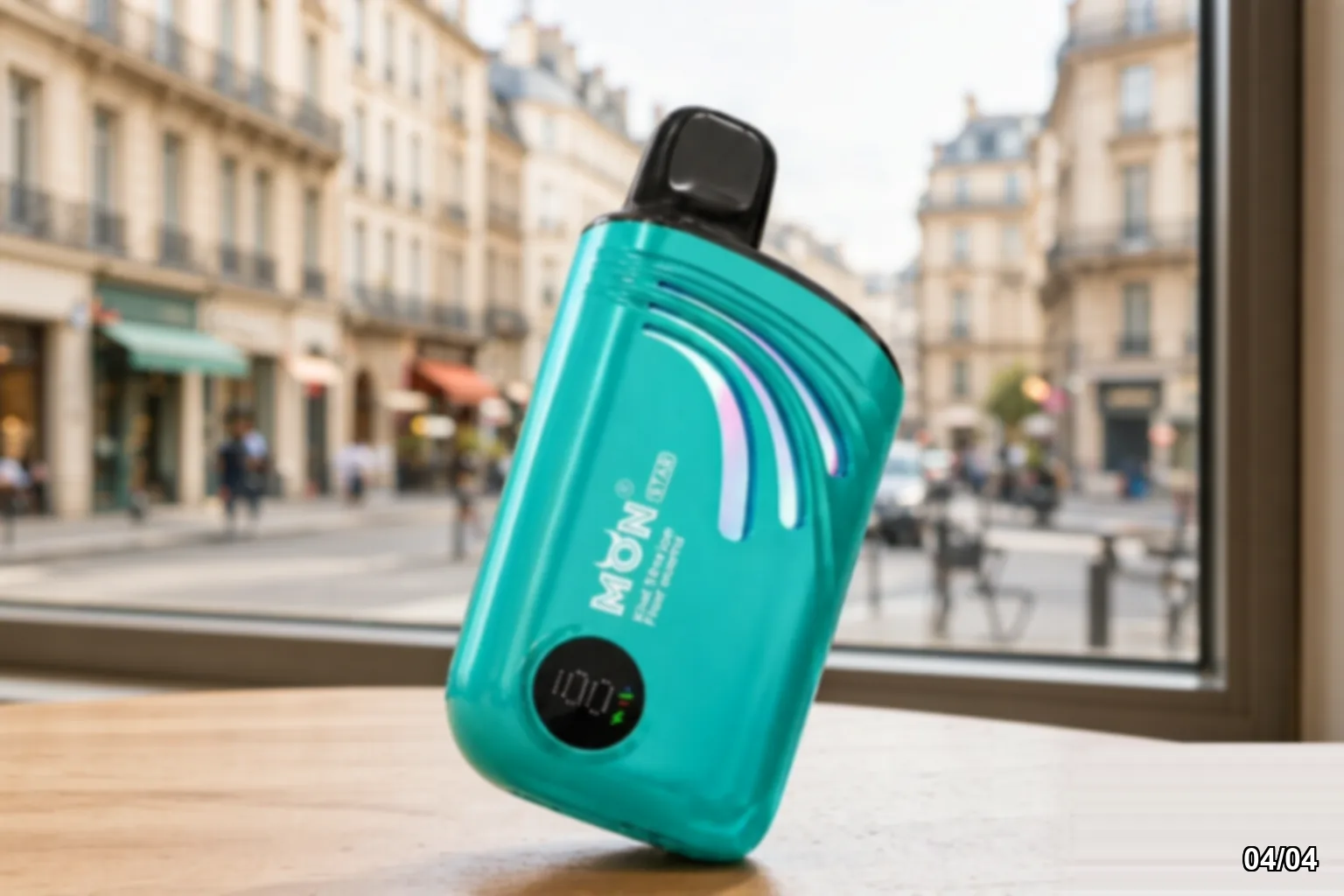
This is where your choice as an adult vaper becomes interesting. A well-built rechargeable device keeps the battery in service for the whole life of the liquid, so you buy and discard fewer units. The MON STAR 50K is a good example of that shift: a teal, rounded box with a black rounded mouthpiece, three light arcs sweeping across the front, and a small circular screen low on the body that shows battery and puff information. That screen is not decoration. Knowing how much charge is left means you recharge before a session is ruined, and using the battery fully is the simplest way to get more value from one device and keep it out of the recycling stream for longer. It is the kind of design the 2027 rules are pushing the whole market toward.
The safety rule that never changes
Whatever the regulation says, the physics of a lithium cell does not negotiate. Never put a vape in household rubbish, never incinerate one, and never try to pry open a sealed battery compartment to “recycle it yourself”. If a device is swollen, hissing or unusually hot, stop using it, move it away from anything flammable, and contact your local waste authority for advice rather than dropping it in a public bin. If you want a fuller walkthrough, our guide on where to dispose of vape batteries goes through the options region by region.
Frequently asked questions
Do shops in Germany have to take back my old vape in 2026?
Yes. Since 1 July 2026, every point of sale that sells disposable e-cigarettes in Germany must accept used devices free of charge, regardless of the shop’s size and even if you buy nothing. This covers vape shops, kiosks, petrol stations, supermarkets and online retailers, who must give customers a clear return route.
Can I put a disposable vape in the yellow bin or household waste?
No. A vape is e-waste because it contains a battery and electronics. It must never go into household waste, the yellow packaging bag or paper bins. Since 1 January 2026, German recycling centres have also moved to a counter model, so battery-powered devices are handed to trained staff rather than dropped into containers.
What is a vape recycling program?
A vape recycling program is the collection and treatment route set up under producer responsibility rules. Brands and importers fund and organise take-back points, and accredited recyclers recover the lithium, plastics and metals. For the consumer it means a free, legal place to hand in a spent device instead of binning it.
Will disposable vapes be banned in Germany in 2027?
The EU Battery Regulation takes effect on 18 February 2027 and requires batteries in most consumer devices to be removable using common tools. Disposables with sealed, welded-in batteries cannot meet that standard, so their days are numbered in their current form. Rechargeable, serviceable designs fit the new rules far better. Germany has not passed a separate nationwide disposable vape ban.
How should I prepare a vape before recycling it?
Use the device until it is empty, remove any separate pod or cartridge, and if the battery is accessible, tape over the contacts to reduce short-circuit risk. Keep the device dry and out of direct sun, then hand it in at a take-back point. Never crush, puncture or incinerate a vape, and never try to open a sealed battery compartment.
The bottom line: recycling is now a right, not a chore
Germany’s 2026 vape recycling program is straightforward once you know the rules. A vape is e-waste, every seller must take it back for free, and the recycling centre has staff ready to receive it. Do the small safety steps, use the take-back symbol as your signpost, and you have done your part. The longer-term answer is to buy better: rechargeable, well-built devices you can keep in service for months instead of days. Browse our adult-only range, including the MON STAR 50K, and choose a device that is easier on your wallet and on the waste stream. Vape responsibly, recycle correctly, and only if you are of legal age.