



Vape Battery Fires: Why They Happen and How to Prevent Them
Adults only (21+). A vape battery fire usually starts with a device nobody thinks is dangerous any more: a spent disposable tossed into a kitchen bin, compacted in a refuse truck, and quietly generating heat inside a load of paper and plastic. For adult vapers in Germany and across the EU, this is more than a waste-management curiosity. It shapes how you dispose of a device, what you keep at home, and which products make sense in a market that is being rewritten by regulation. This guide explains the mechanics of a vape battery fire, the numbers behind the risk, what Germany’s 2026 rules actually require, and the small habits that make a real difference.
What Actually Causes a Vape Battery Fire?
Almost every modern vape uses a rechargeable lithium-ion cell. That chemistry is energy-dense and stable under normal use, but it has one well-documented failure mode: thermal runaway. If the cell is crushed, punctured, overheated or charged with the wrong cable, the thin separator between its electrodes can fail. The cell then short-circuits internally, releases heat, and that heat triggers further reactions. The process is self-sustaining: one failing cell can reach several hundred degrees Celsius and ignite anything around it.
Understanding this chain matters because it corrects a common misconception. A vape battery fire is not only a “charging accident” that happens on a bedside table. In the waste stream, the trigger is mechanical stress rather than a charger.
The chain reaction inside a refuse truck
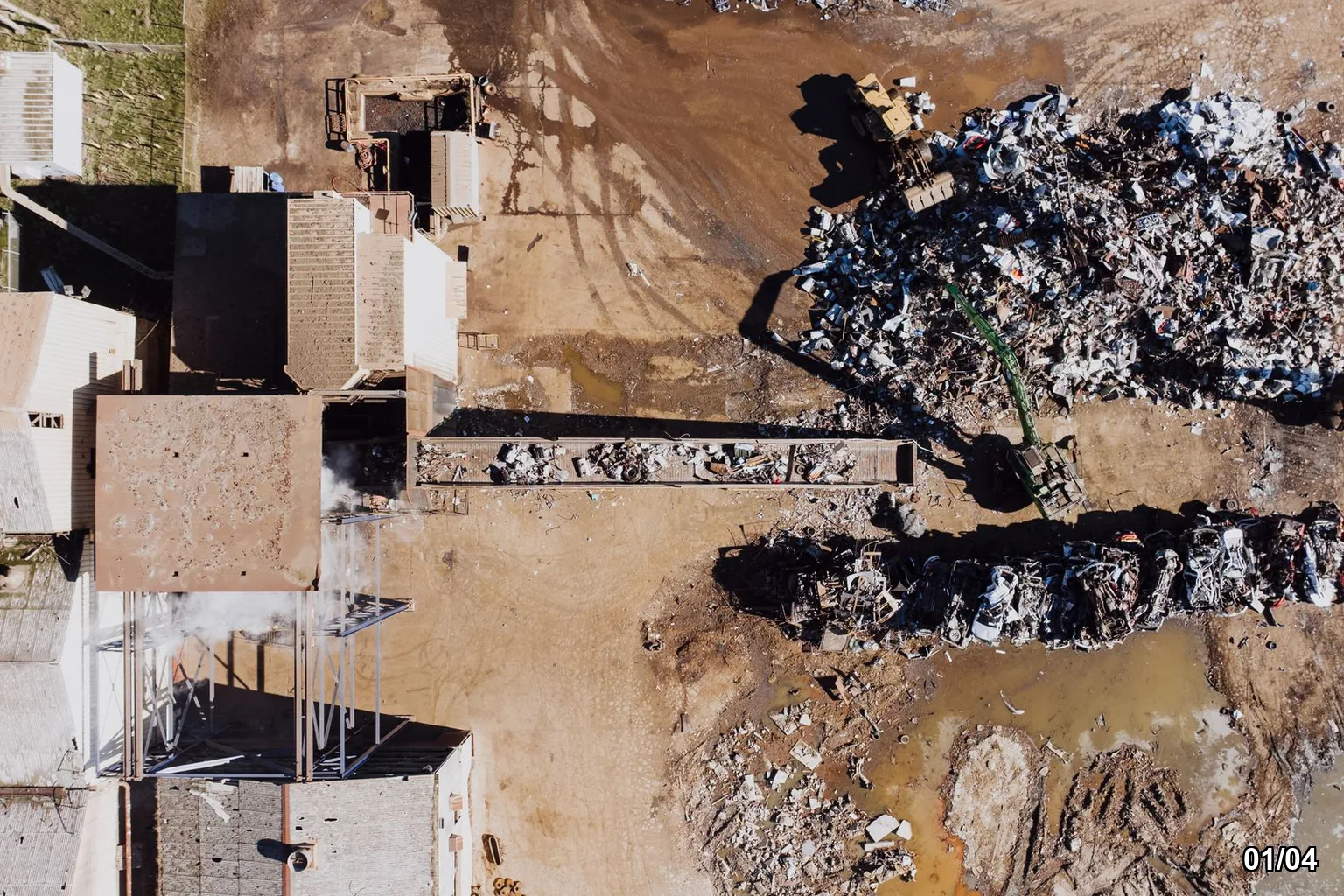
Household waste is compressed. In a collection vehicle and again in a sorting facility, bags are squeezed, dropped and shredded. A vape body that seemed robust in your pocket can deform under that pressure. The cell inside is damaged, an internal short develops, and the device ignites. Because a vape also contains plastic, cotton and residual liquid, there is plenty of fuel nearby. Fire crews then face a second problem: lithium-ion fires are difficult to extinguish with conventional methods and can reignite after they appear to be out.
Heat, moisture and damaged casings
Heat is the other accelerant. A device left on a car dashboard, next to a radiator, or inside a bin exposed to direct summer sun is being pushed closer to its safety limit. Moisture is a separate concern: if liquid enters a damaged casing, corrosion can create an unintended path between contacts. The practical rule is simple — if a device has been crushed, dropped hard, swollen, or soaked, treat it as a potential fire source rather than as rubbish.
How Big Is the Problem in Germany?
German waste associations have repeatedly warned that incorrectly discarded lithium cells cause fires on a daily basis in refuse vehicles and treatment plants — industry estimates cited in 2026 reporting put the figure at up to 30 incidents per day nationwide, with a large share involving discarded electronic devices and disposable vapes. Around four in five disposable vapes are estimated to still end up in household waste rather than in electrical recycling. That gap is the reason regulators acted.
The German Environment Agency (UBA) is explicit: devices with built-in lithium batteries do not belong in household waste, yellow packaging bags or paper bins. They are small electrical appliances, and they must be collected separately. The European Commission’s Battery Regulation adds a longer-term dimension — from 18 February 2027, Article 11 requires batteries in devices to be removable and replaceable by the end user with commonly available tools. Products built around a permanently bonded cell cannot meet that standard, which is why the market is shifting toward devices designed to be kept and maintained.
Device Design Is Part of the Safety Conversation
Regulation handles the end of a device’s life, but the decision that matters most is made at the start: how long you intend to keep the device. A product that feels solid, is comfortable to hold and does not need to be replaced every few days is less likely to be abandoned in a drawer or a bin. That is a design argument, not a marketing one.
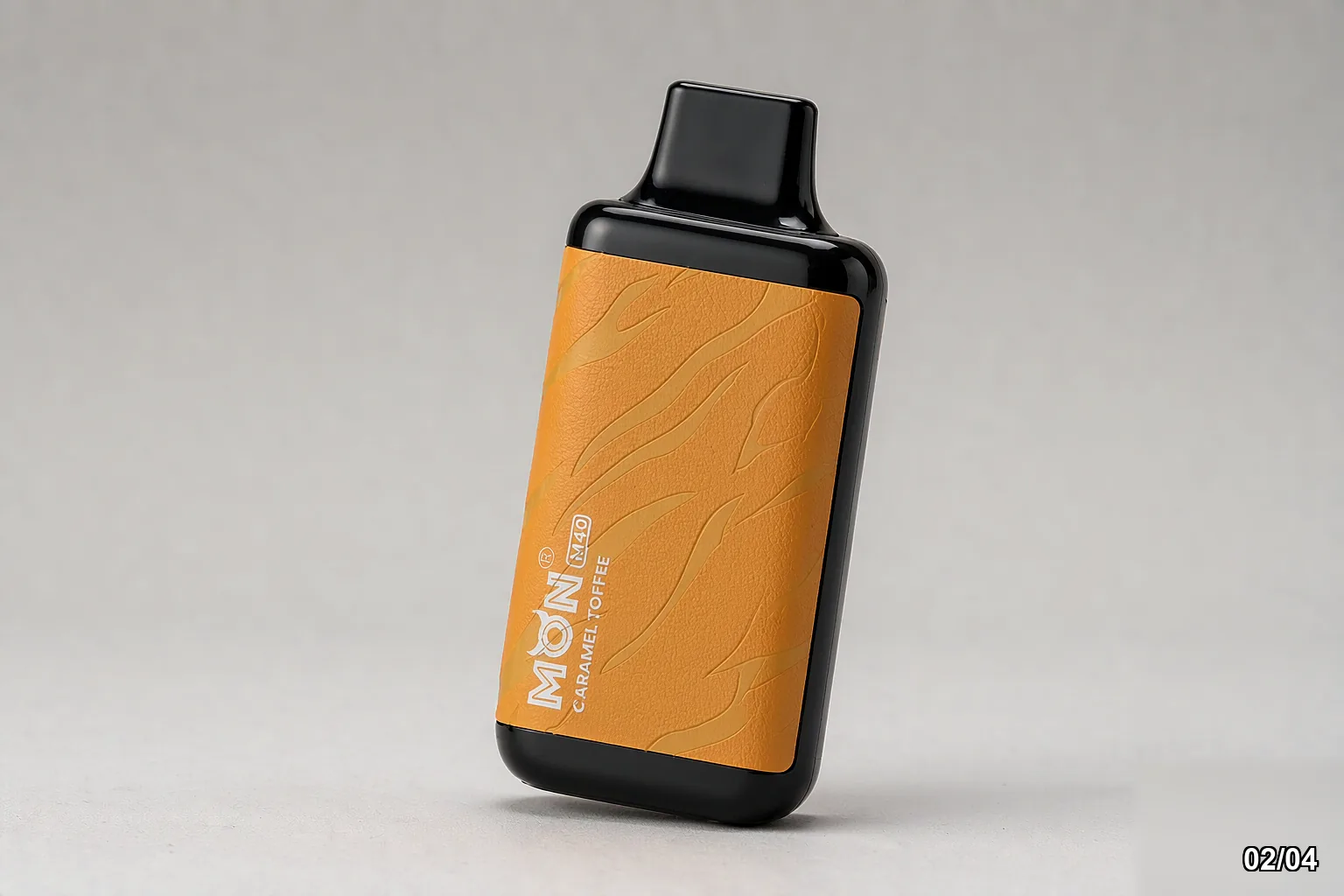
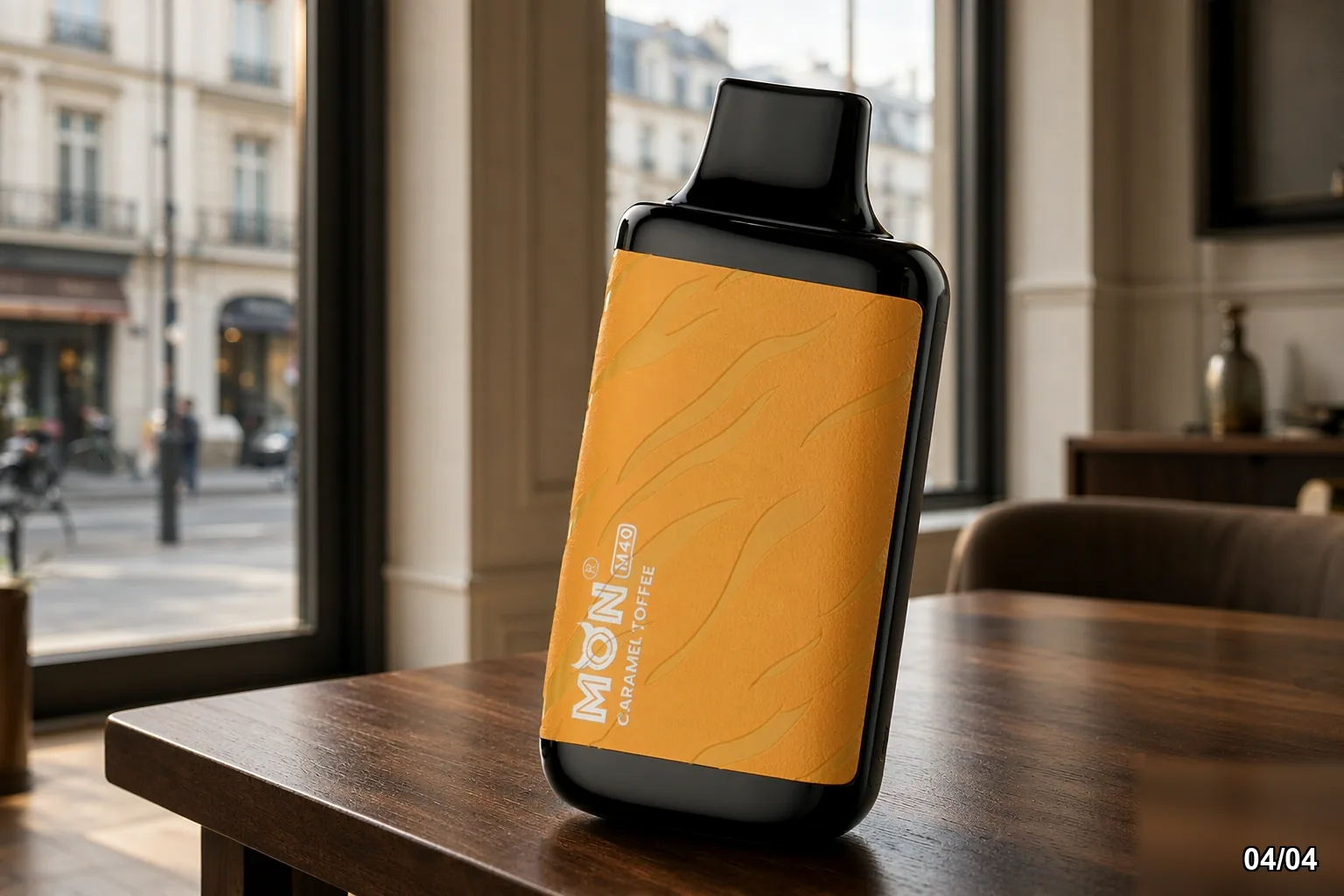
Take the MON M40, for example. It is a rounded-square device with a black frame, a wide black mouthpiece and a large orange leather-textured front panel carrying the vertical MON M40 marking. The finish is deliberately substantial rather than disposable-thin, and the shape is easy to grip securely — relevant when you are handling a product containing a lithium cell. The point is not that one device eliminates risk; no device does. The point is that choosing a well-built product you will actually use to completion, then returning it through a proper collection point, is the most effective combination of safety and common sense available to an adult consumer.
What to look for before you buy
Three questions are worth asking. First: can I identify the model and the manufacturer’s markings clearly? Second: does the device feel structurally sound, with no loose panels around the cell? Third: do I know where I will return it when it is finished? If the answer to the last question is “the bin”, it is time to read our step-by-step disposal guide before making the purchase.
Germany’s 2026 Take-Back Rules, Explained
The amendment to the Electrical and Electronic Equipment Act (ElektroG4) entered into force on 1 January 2026. After a six-month transition period, from 1 July 2026 every German point of sale offering disposable e-cigarettes must accept used devices free of charge — including kiosks, petrol stations, tobacconists and small shops that were previously outside the obligation. You do not have to buy anything, and you do not have to return the device to the store where you bought it.
Retailers must also display a uniform collection-point sign so consumers can identify participating outlets. This sits on top of existing routes: municipal recycling centres, local collection points and many supermarkets, drugstores and electronics shops already accept vapes as small electrical appliances. Devices with a side length of up to 25 cm fall within the free-return category.
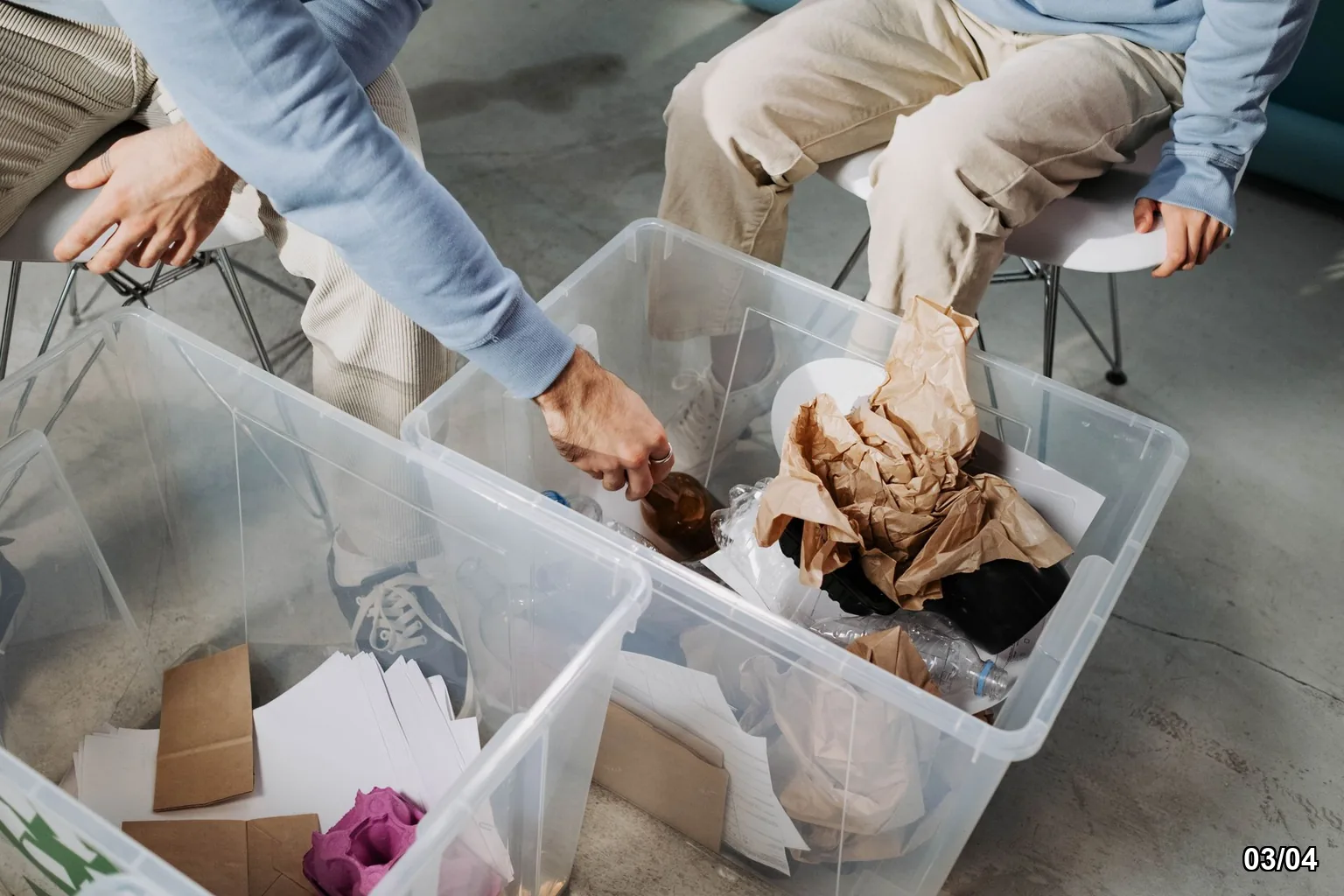
It is worth being clear about what the rule does not solve. Recycling a vape is difficult because a single small object combines a battery, circuitry, a liquid reservoir, plastics and metal in a format that is hard to disassemble. Much of the processing is still manual, and some materials are not recovered. There is no deposit in the German system, which reduces the incentive to return devices. Consumer participation is therefore the weak link — and it is the one you control.
A Safe Disposal Checklist
Use this sequence when a device is finished or has stopped working:
- Stop using it. Do not try to revive a dead device or keep vaping on a damaged one.
- Do not dismantle it. Never remove the cell yourself, even if you can see it.
- Protect the contacts. If the mouthpiece or casing is damaged, place the device in a rigid container and, where practical, cover the contact area with non-conductive tape.
- Keep it dry and cool. Store it away from direct sun, heaters and flammable materials until you can hand it in.
- Use a real collection point. A retailer take-back point, a municipal collection centre or a designated small-electrical-appliance container — never household waste, the yellow bag, paper bins or a public litter bin.
- Tell the staff. If a device is swollen, hot or visibly damaged, say so at the drop-off point so it can be handled separately.
Three Myths About Vape Battery Safety
“It is empty, so it is harmless.” An empty e-liquid reservoir says nothing about the state of charge of the cell. A device can be out of liquid and still hold enough energy to start a fire.
“One vape in the bin will not matter.” Fires are initiated by individual devices. The cumulative volume of discarded vapes is what makes the risk systemic, but the ignition event is always local.
“Recycling solves it.” Take-back prevents the most dangerous outcome — compaction and ignition in a waste truck — and recovers some materials. It does not make the device impact-free, which is why using a device fully and returning it properly both matter. Our broader analysis of the 2026–2027 German rules covers the policy direction in more detail.
Frequently Asked Questions
Can a disposable vape catch fire in the household bin?
Yes. A disposable vape contains a lithium-ion cell. When refuse trucks or sorting plants crush the device, the cell can short-circuit and enter thermal runaway, igniting surrounding paper and plastic. This is why German environmental authorities say vapes must never go into household waste, yellow bags or paper bins.
What should I do with a vape that will no longer charge?
Stop using it, do not open it, and do not put it in the bin. Keep it away from direct sunlight and flammable materials, then hand it in at a collection point. Since 1 July 2026 every German retailer selling disposable e-cigarettes must accept used devices free of charge, even if you buy nothing.
What changed in Germany in 2026 for vape disposal?
The amended Electrical and Electronic Equipment Act (ElektroG4) took effect on 1 January 2026. After a six-month transition, from 1 July 2026 all points of sale, including kiosks, petrol stations and tobacconists, must take back used disposable e-cigarettes free of charge, and retailers must display a collection-point sign.
Does a vape battery fire only happen while charging?
No. Charging mistakes are one trigger, but mechanical damage is the dominant risk in the waste stream. Crushing, puncture and heat can damage the separator inside a lithium-ion cell, causing an internal short circuit and thermal runaway long after the device has been discarded.
Can I put a dead vape in the yellow recycling bag?
No. The yellow bag is for packaging and is compacted like residual waste. Vapes are small electrical devices with built-in batteries; they belong at a retailer take-back point, a municipal collection centre or a designated small-electrical-appliance container.
The Bottom Line
A vape battery fire is a predictable failure, not bad luck: a lithium cell is damaged, heat builds, and surrounding waste ignites. You cannot control what happens inside a sorting plant, but you can control the two decisions that matter — choosing a device you will keep and finish, and returning it through a proper collection point instead of the bin. Germany’s 2026 take-back rules have made the second decision easier than ever.
Adult consumers (21+ only): explore the MON M40 range and pair it with our responsible disposal guide. Vape responsibly, dispose carefully, and never put a device containing a battery in household waste.